How it works#
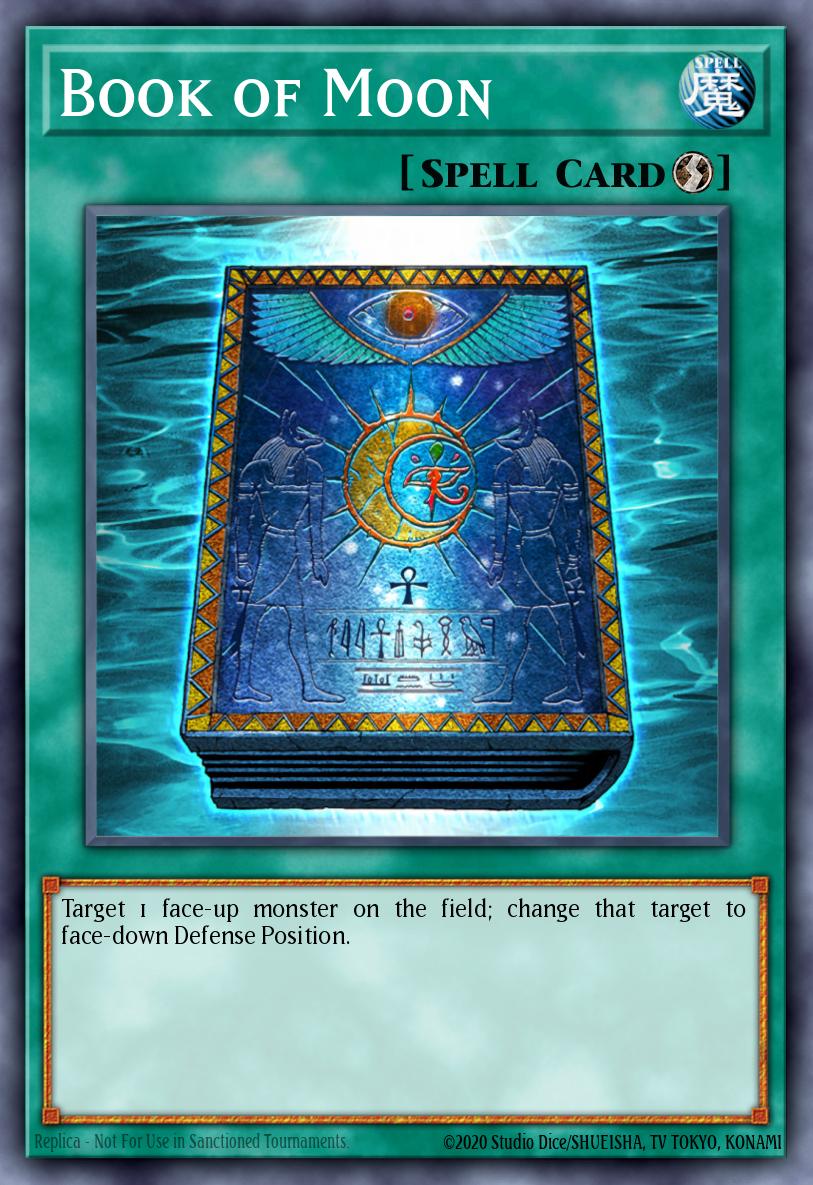
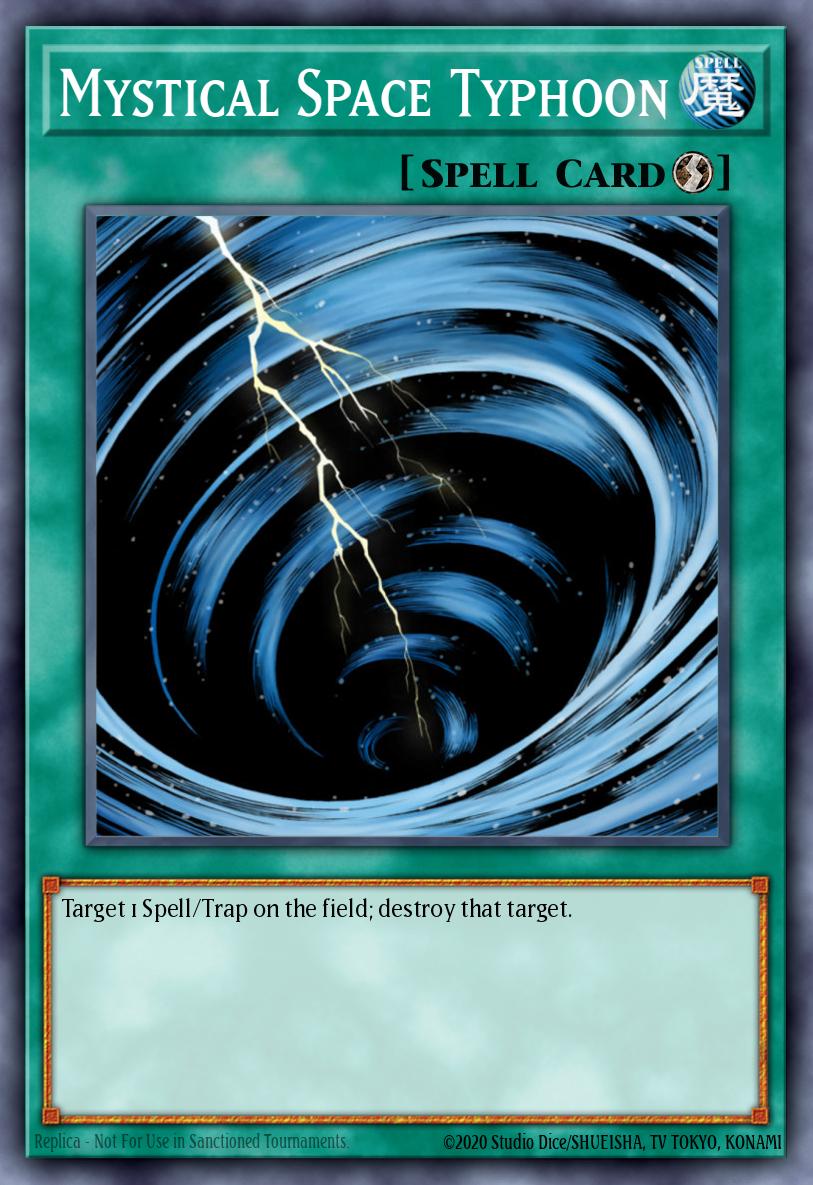
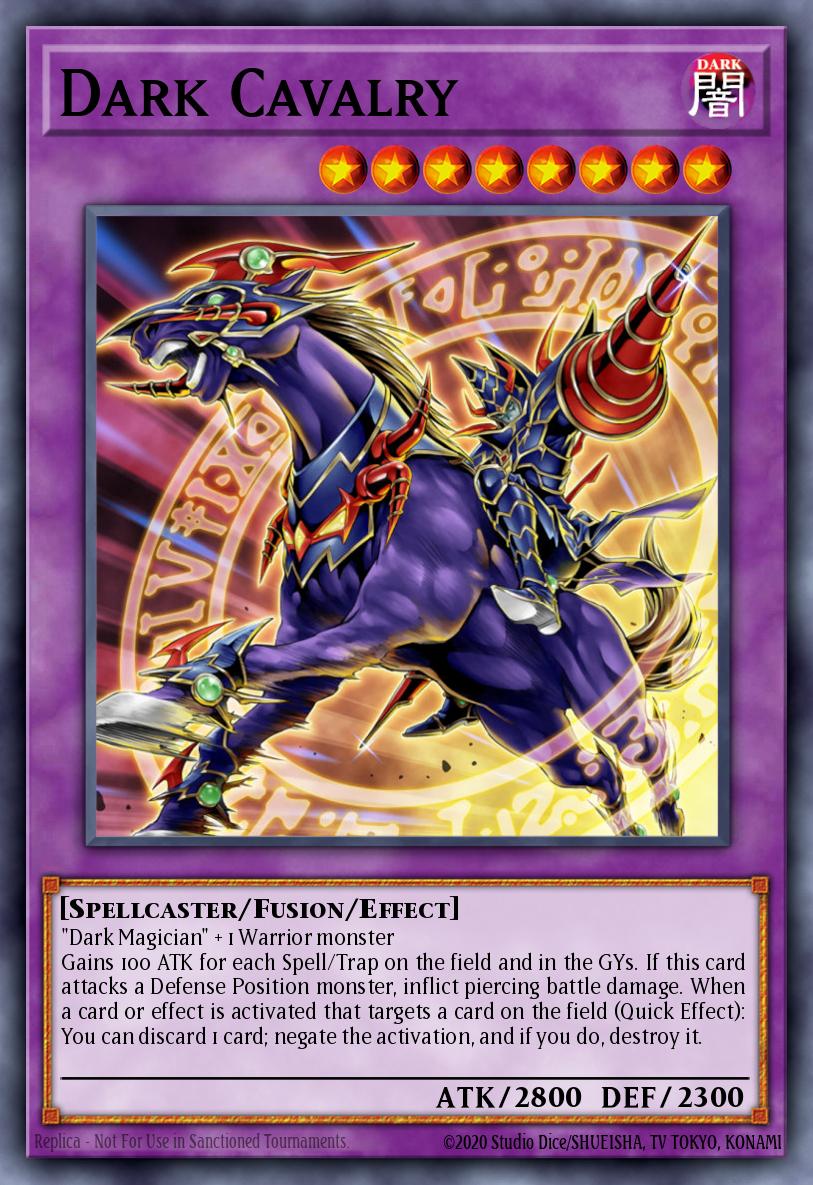
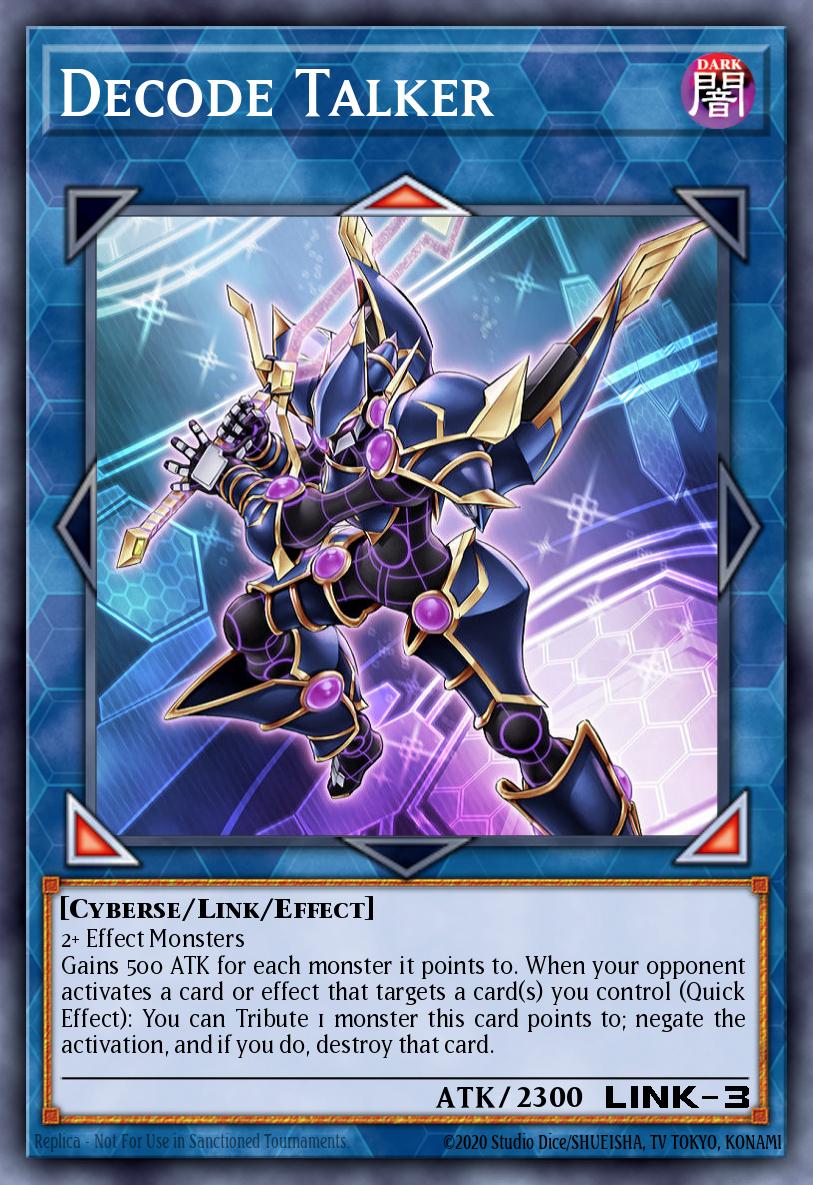
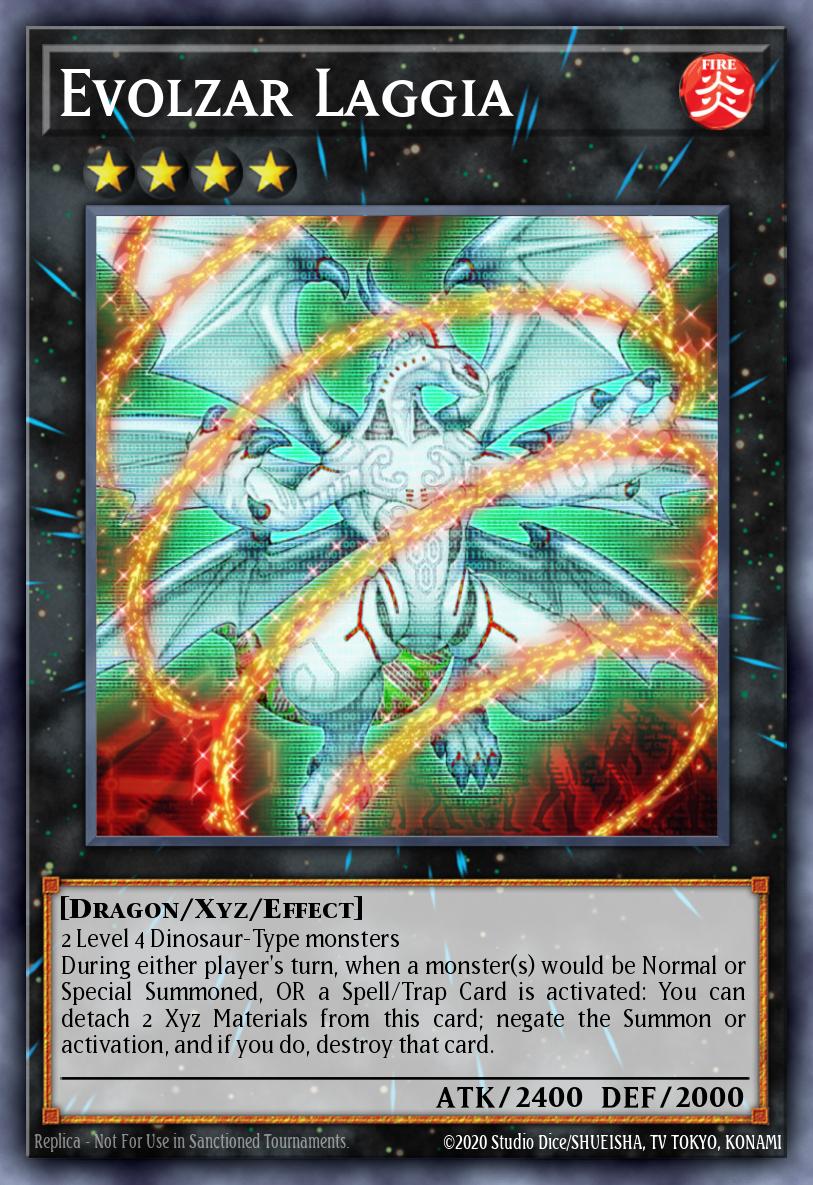
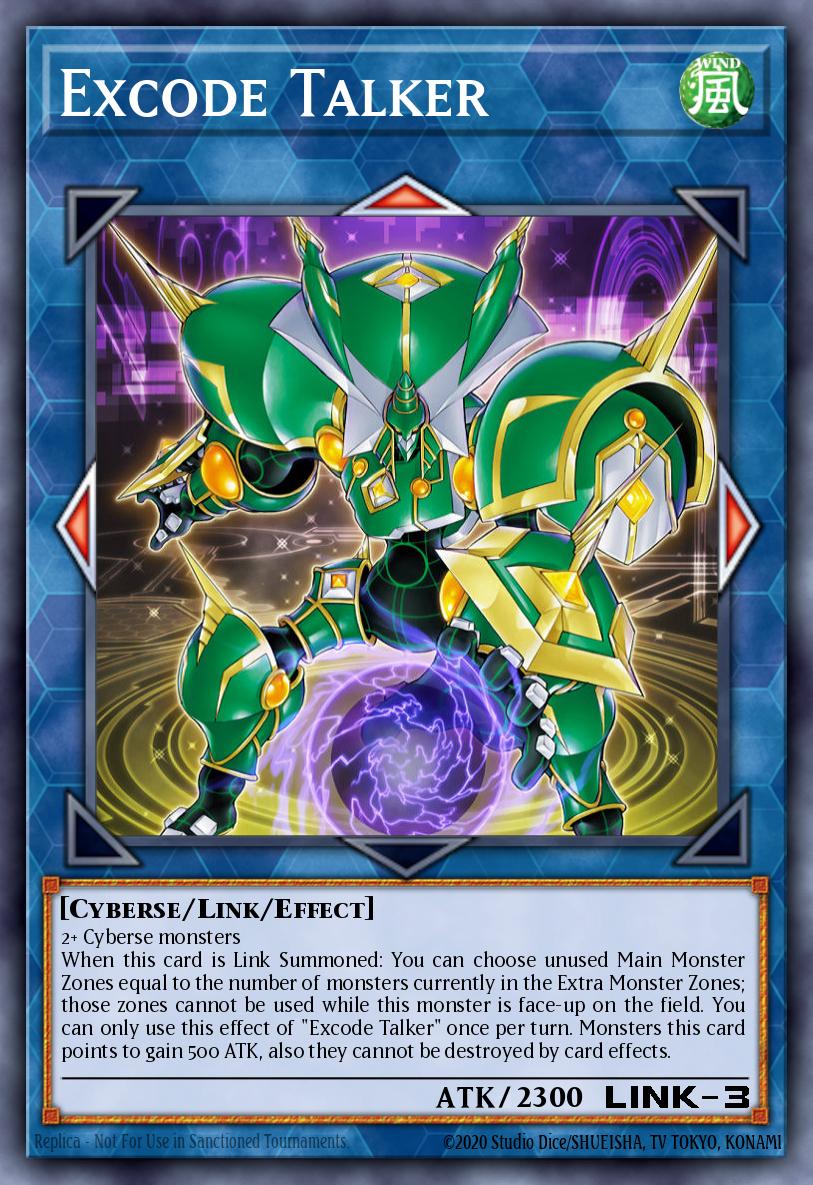
Targeting effects name their victim when they are activated. The card says "target". The target is public information while the chain builds, and the target must still be legal when the effect resolves — if it is not, the effect fizzles.
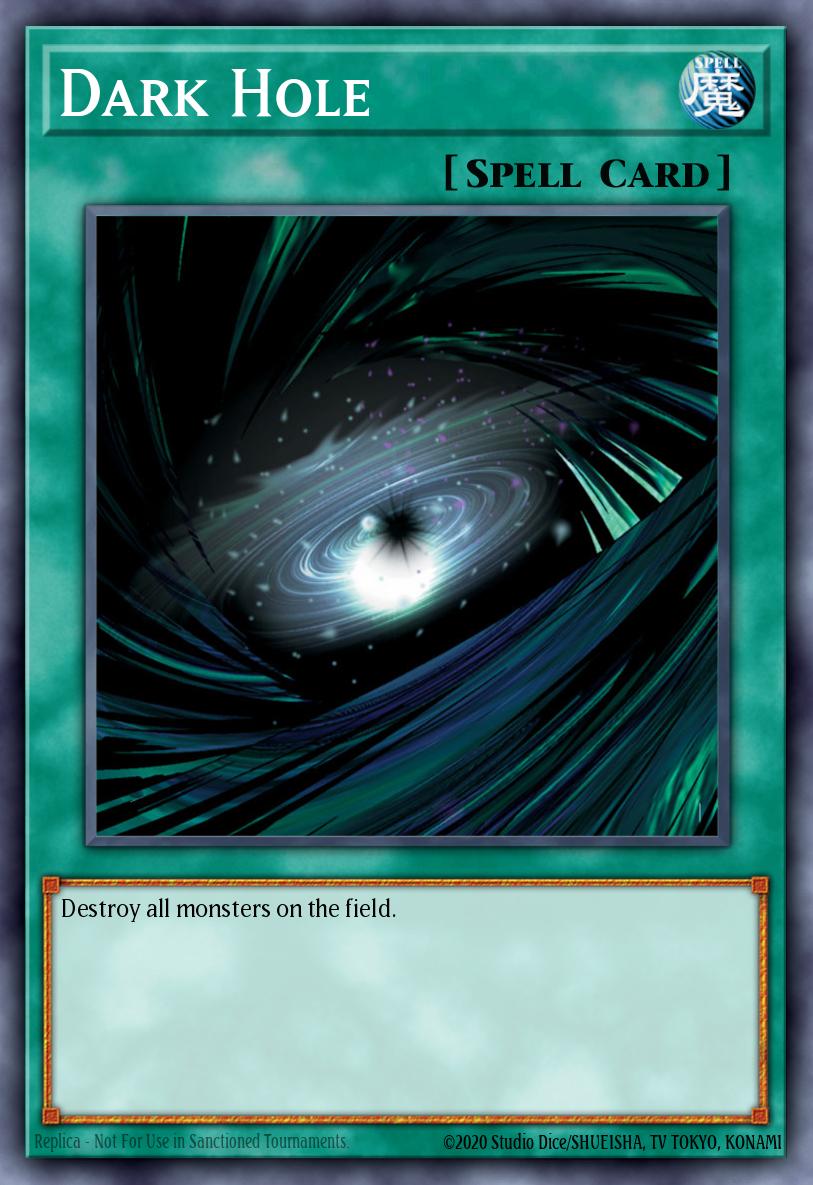
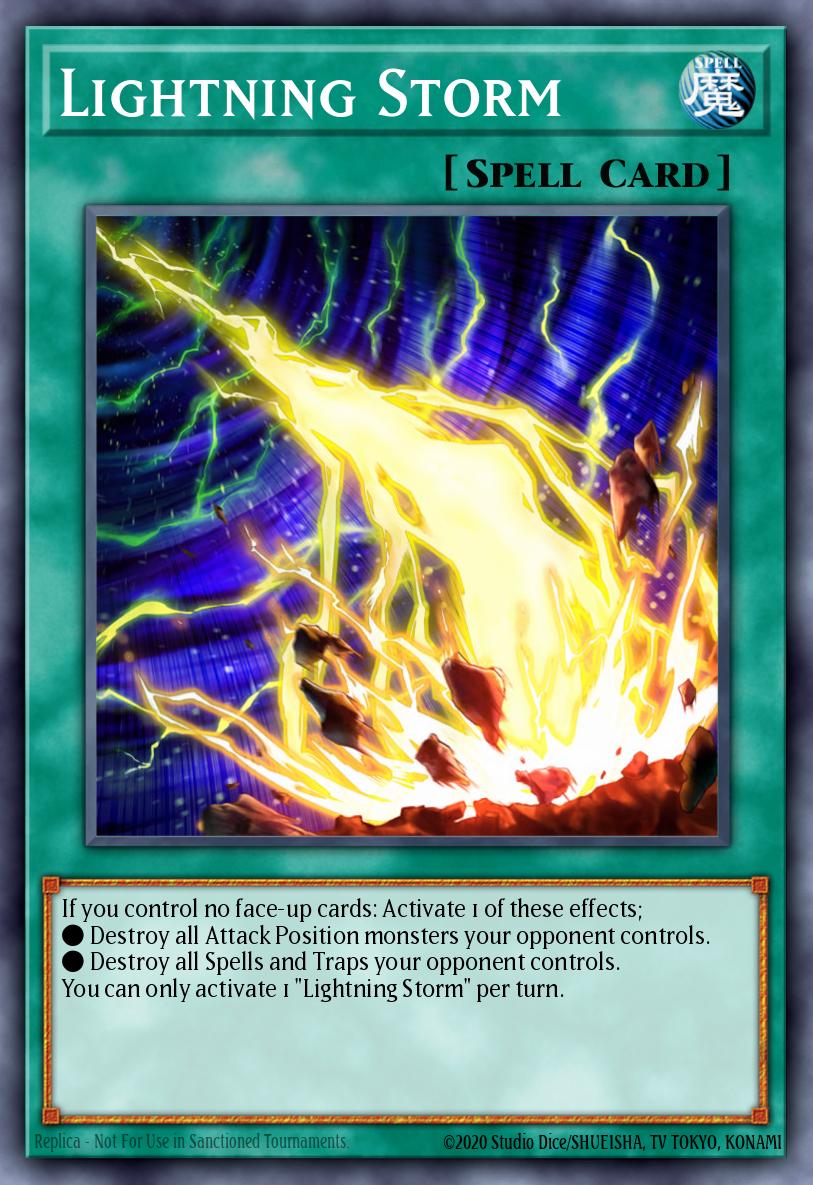
Non-targeting effects choose nothing on activation. The victim is picked at resolution, from whatever is there at that moment. The card does not say "target", and typically uses phrasing like "destroy all monsters your opponent controls" or "your opponent banishes 1 monster they control".
Because non-targeting effects never declare a target, protection that reads "cannot be targeted by card effects" simply does not apply to them.
Worked example#
Your opponent controls a monster that cannot be targeted by card effects.
You activate a card that reads "target 1 monster your opponent controls; destroy it". The activation is illegal — there is no legal target to declare.
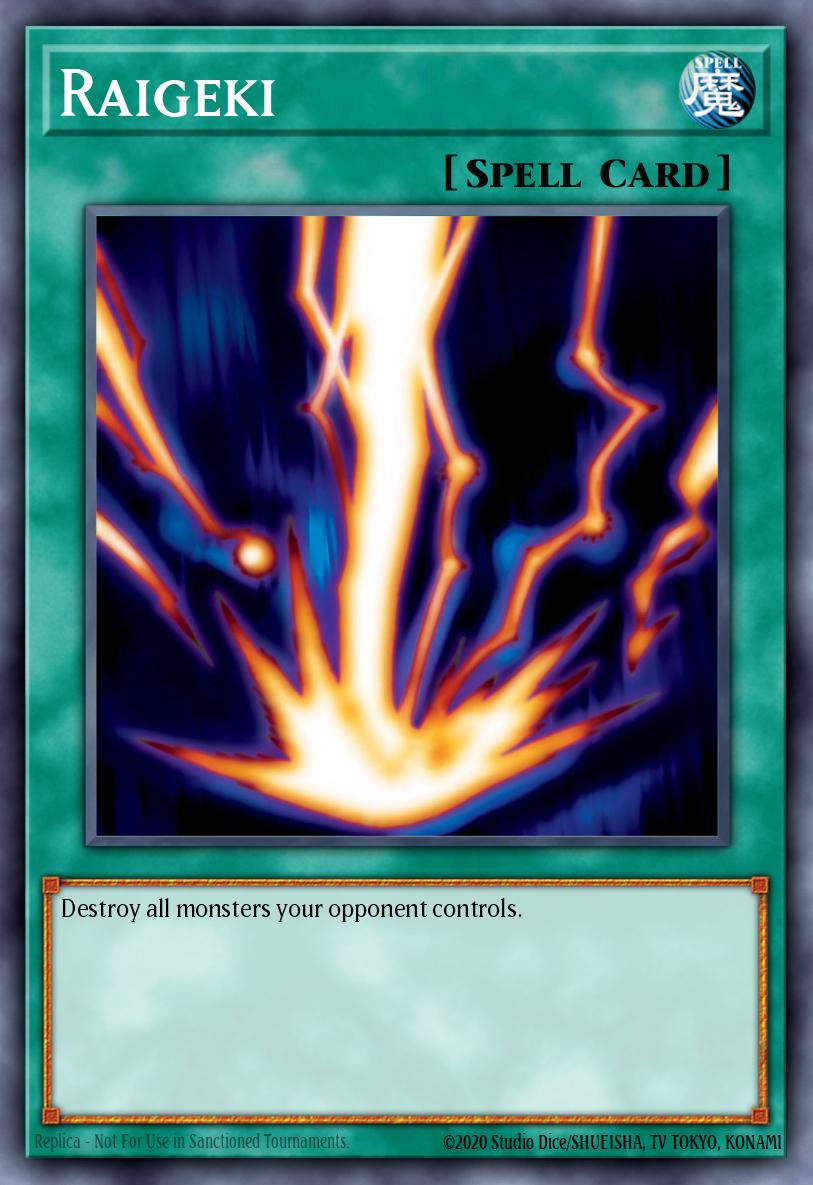
You instead activate Raigeki, which destroys all monsters your opponent controls without targeting. It resolves, and the untargetable monster is destroyed, because nothing was ever aimed at it.
Non-targeting removal is correspondingly harder to answer, and the board breakers that see competitive play reflect that.
Common misconceptions#
Does "cannot be targeted" protect against everything?#
No. It protects against targeting effects only. Non-targeting destruction, banishment and bounce all go straight through it. Read the protection text precisely — the wording is doing exact work.
If the target leaves the field, is the whole card wasted?#
The chain link fizzles and does nothing, but the card was still activated and its cost still paid. Chaining removal to a targeting effect in order to make it fizzle is a standard defensive play.
Does "choose" mean the same as "target"?#
No. Only the literal word "target" makes an effect a targeting effect. Effects that say "choose" or that direct your opponent to pick are non-targeting, and are resolved at resolution.
Can you target a face-down card?#
Yes, where the effect allows it — targeting a Set card is legal, since you are targeting the card, not its identity. You just do not know what you are aiming at.
Interactions and rulings#
- A targeting effect that would target multiple cards fizzles entirely if all its targets become illegal; if only some are gone, it resolves for the ones that remain.
- Targets are declared at activation, so your opponent knows exactly what you are trying to do before the chain resolves.
- Effects that resolve without targeting still check legality at resolution — a card that says "destroy 1 monster your opponent controls" does nothing if the opponent's board is empty by then.