How it works#
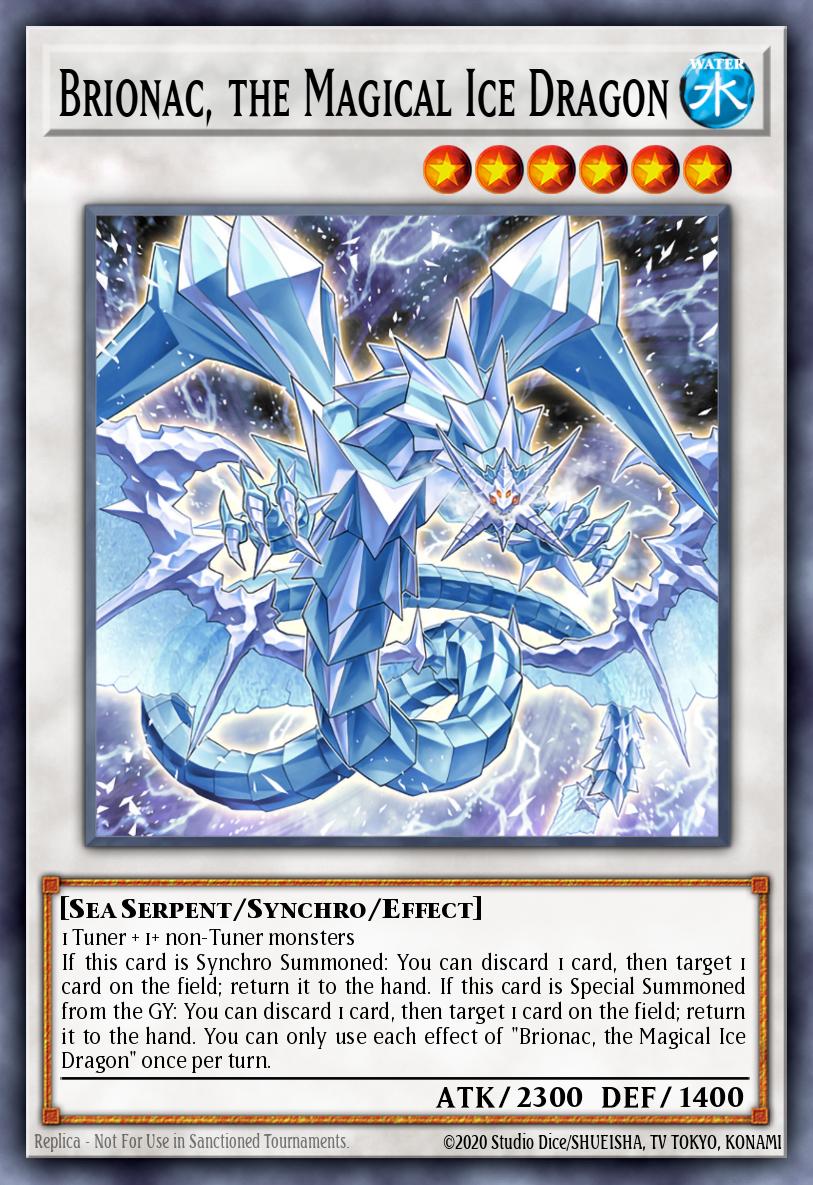
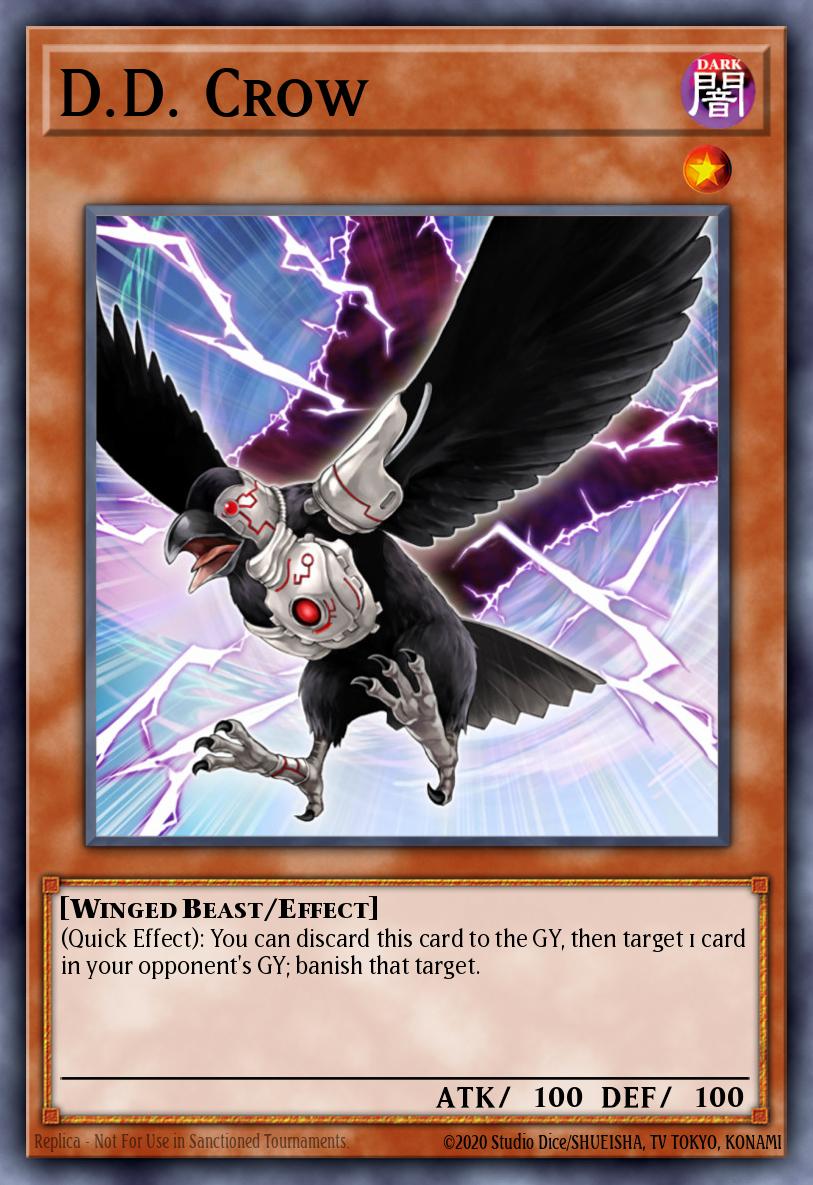
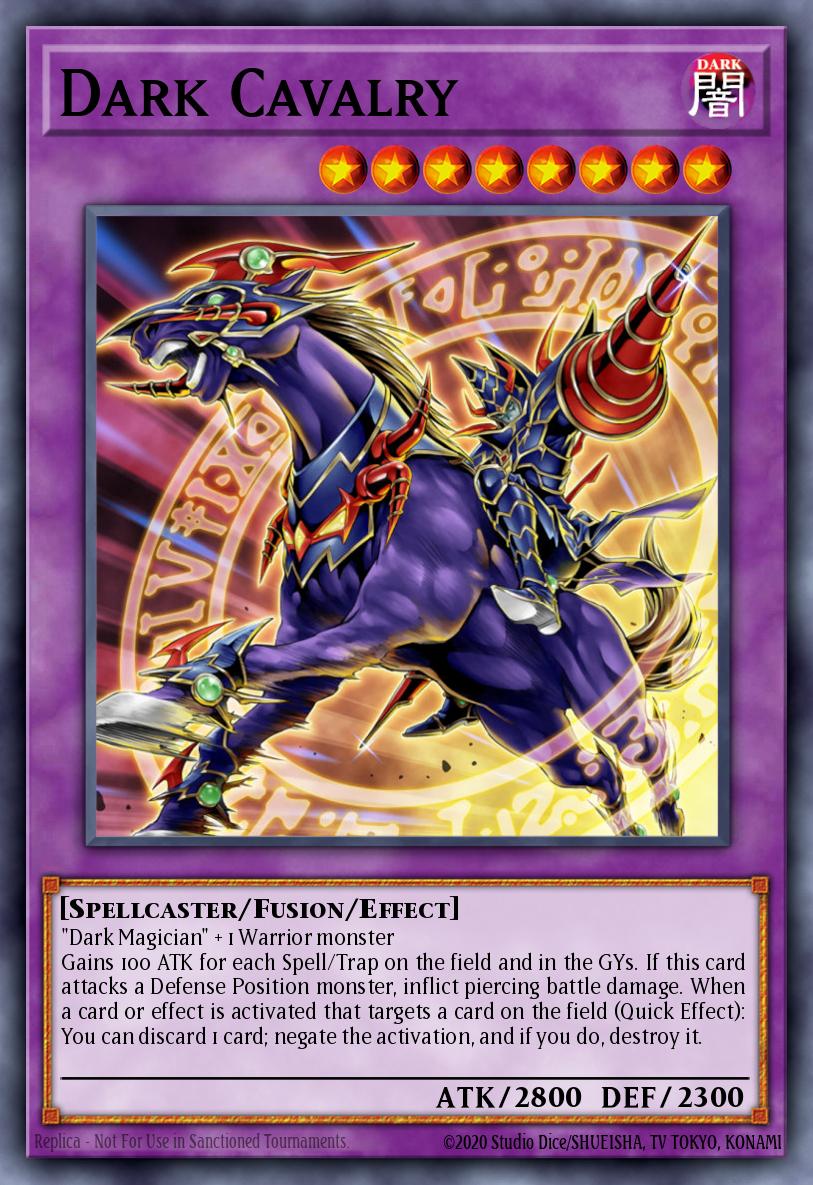
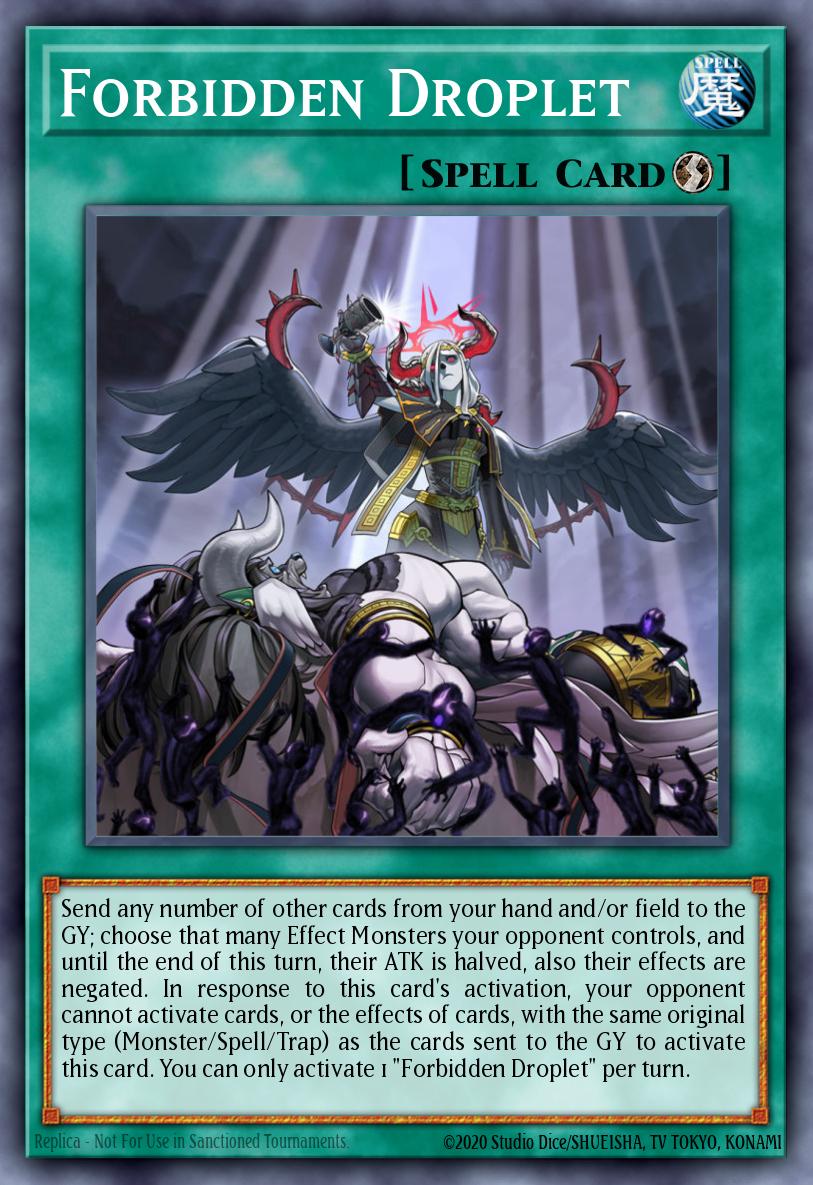
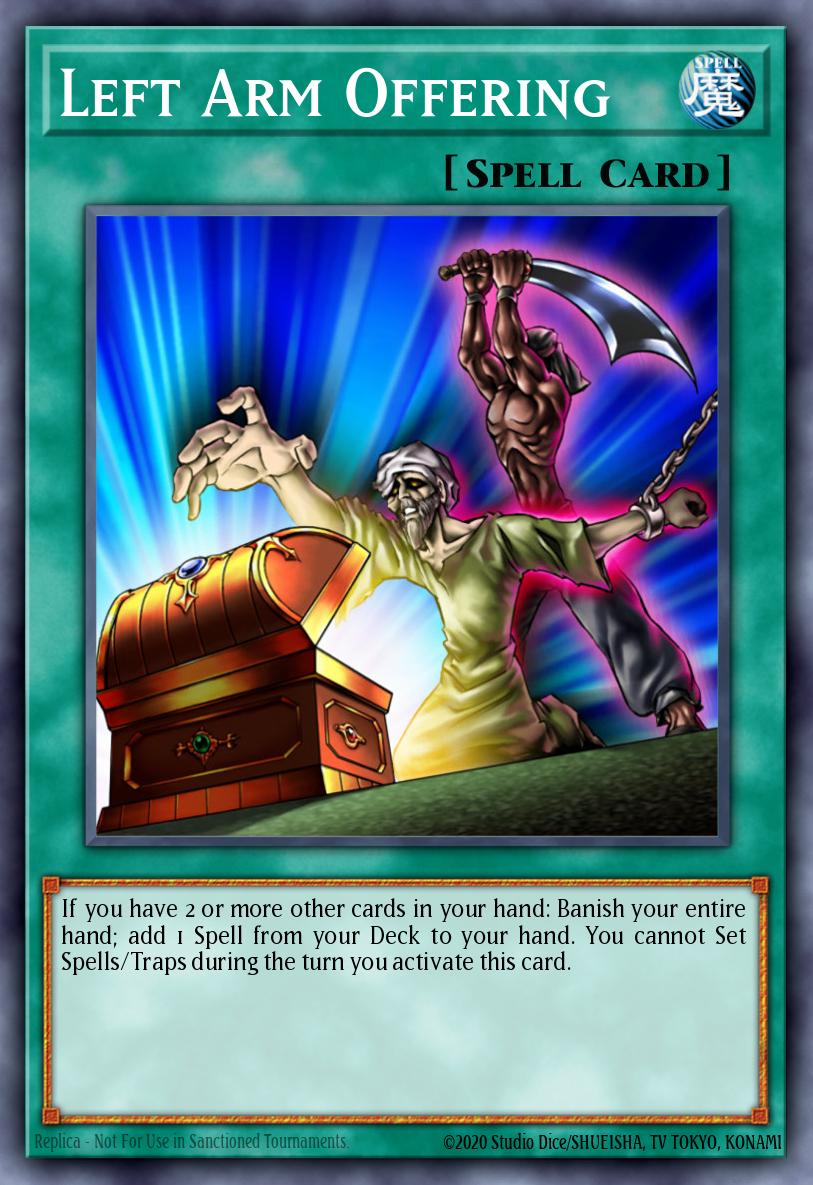
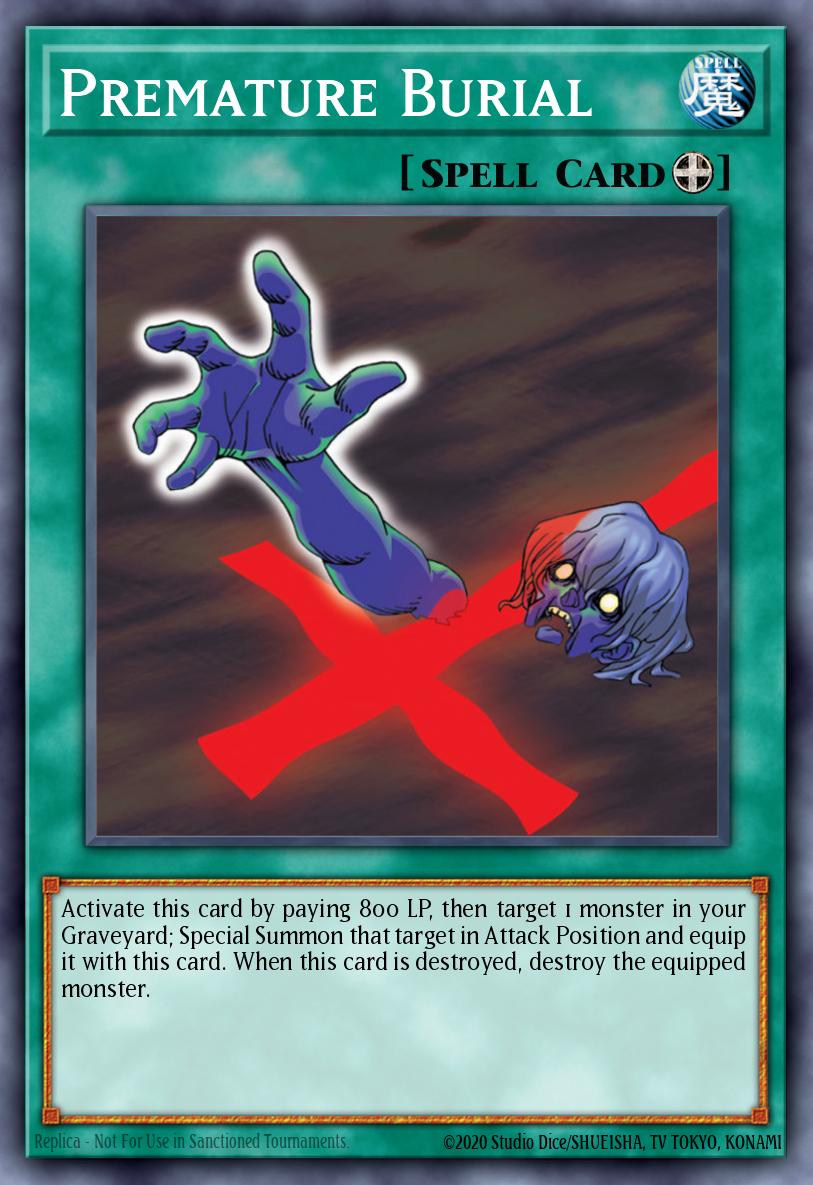
A cost is paid when the card is activated and added to the chain. It is written before the semicolon in the card's text — discarding a card, paying Life Points, banishing, detaching, tributing.
The punctuation is doing precise work. A colon separates the trigger condition from what follows; the semicolon separates the cost from the effect. "When this card is destroyed: You can discard 1 card; draw 2 cards" is a trigger, then a cost, then an effect, in that order.
An effect happens later, when that chain link resolves.
Three consequences follow:
- If you cannot pay the cost, you cannot activate the card at all.
- The cost is paid whether or not the effect ever resolves. Negating the effect does not refund it.
- Everything the cost did is already true while the chain is still building — a discarded card is in the graveyard, and its graveyard effects are live.
Worked example#
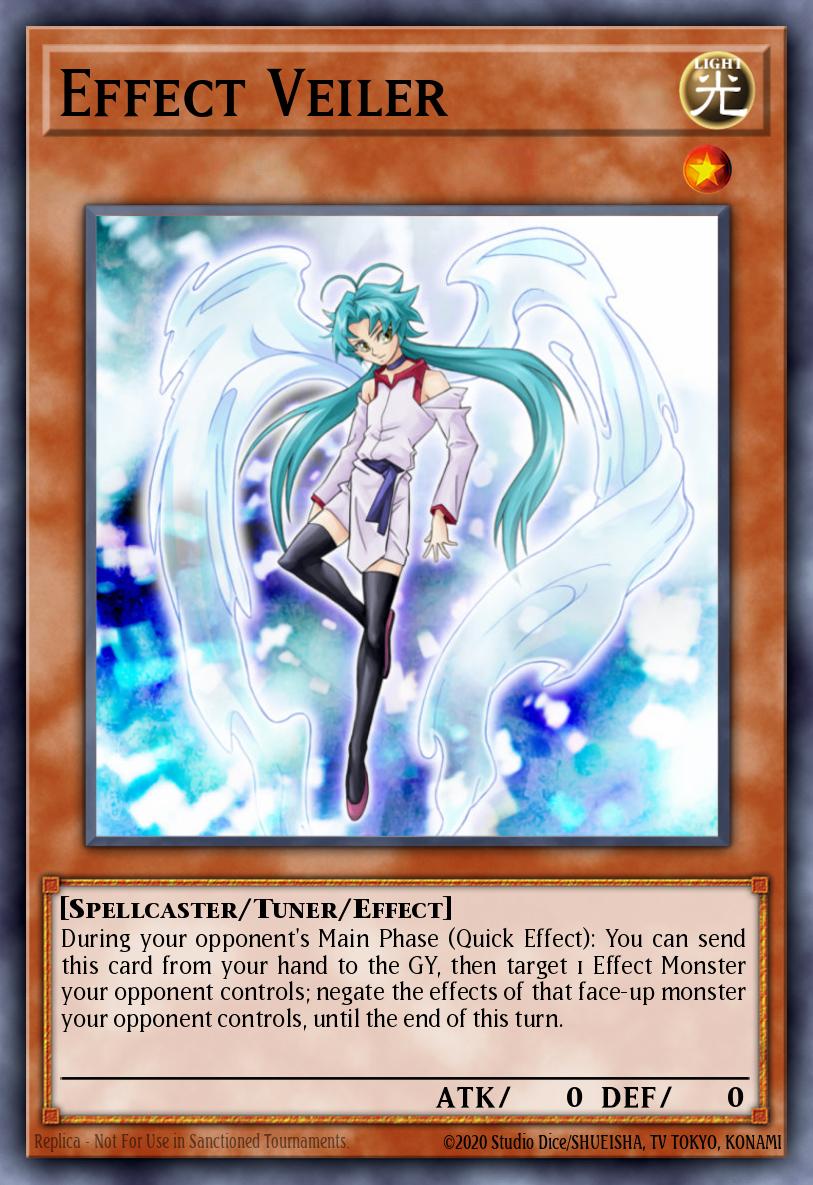
You activate Ash Blossom & Joyous Spring by discarding it. The discard is the cost, paid on activation.
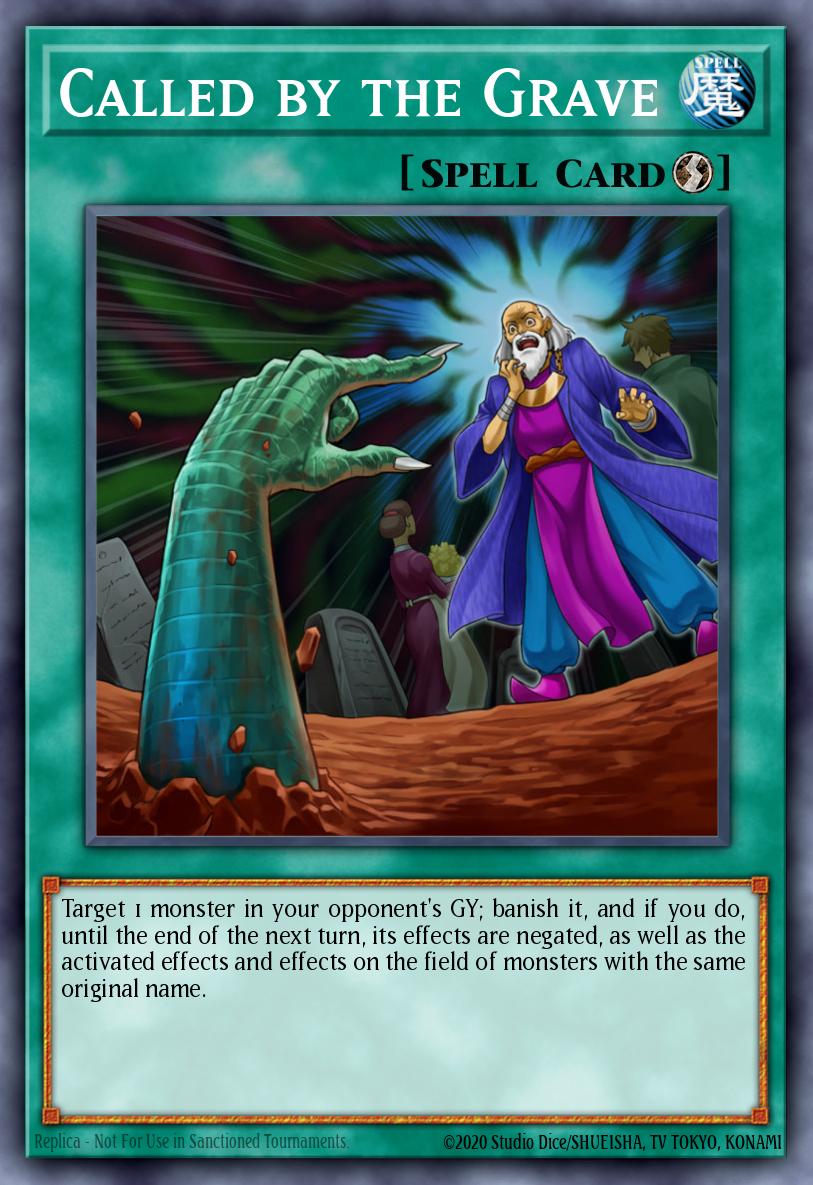
Your opponent responds with Called by the Grave, banishing Ash and negating its effect.
Ash is banished and its effect does nothing, but the discard already happened and is not undone. Had Ash's own text been relevant from the graveyard, it would have been there for the window before the banish.
Common misconceptions#
If my effect is negated, do I get the cost back?#
No, never. This is the defining property of a cost. Paying 2000 Life Points for an effect that gets negated means you paid 2000 Life Points for nothing.
Can I activate a card if I cannot pay its cost?#
No. Being unable to pay makes the activation itself illegal — you cannot activate the card "hoping" to pay later.
Is discarding always a cost?#
No, and the punctuation tells you. "Discard 1 card; draw 2 cards" puts the discard before the semicolon, making it a cost. "Draw 2 cards, then discard 1 card" makes the discard part of the effect, happening at resolution.
The difference decides whether a discarded monster's graveyard effect is live during the chain.
Is tributing for a Tribute Summon a cost?#
Yes, and this is why it so often causes optional triggers to miss the timing.
Interactions and rulings#
- Cards that trigger "when your opponent activates a card" see the activation, so any graveyard effect enabled by the cost is already available to respond with.
- A cost paid to activate an effect that is later negated still counts towards once-per-turn restrictions — the effect was activated.
- Effects that say "you can only activate this if…" describe an activation condition, not a cost. The condition must be true, but nothing is paid.